

Alliumphilia
Get ready for the first Hungry Heart popup! On Saturday 6/27, we’ll be serving a fancy brunch at Golden Hour in Kingston, and then on Sunday 6/28 we’re taking it to 27 Cafe in Catskill. Picture an egg sandwich on a whole grain milk bun with creamed greens and gochujang aioli, a fresh einkorn biscuit with goat Gouda and rhubarb compote, griddled buckwheat banana bread with coconut yogurt and caramelized bananas…More details to come, keep an eye on our Instagram.
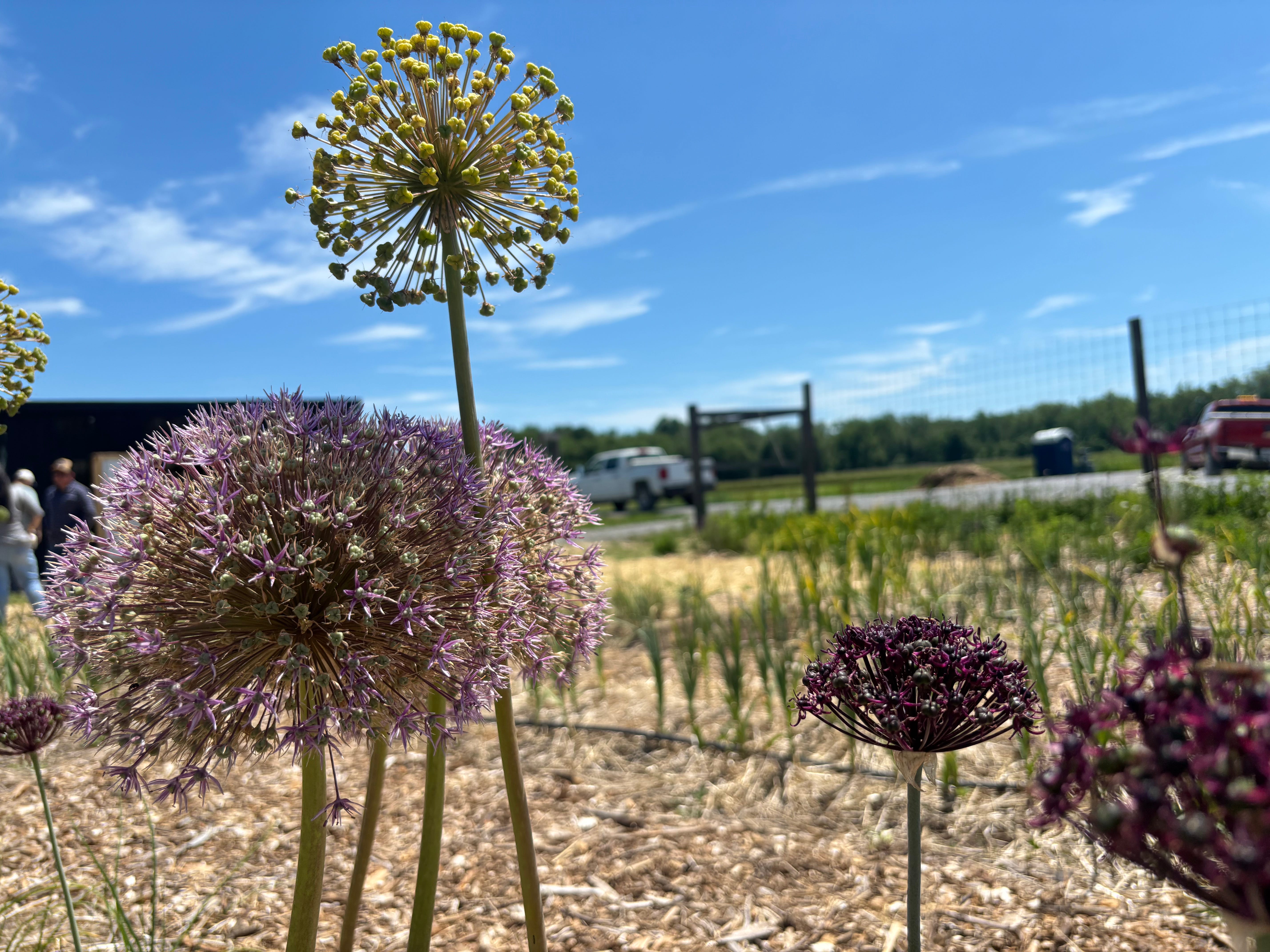
I learned recently that garlic can’t reproduce without us. It happened a few thousand years ago, when humans took over its propagation by replanting the cloves. It was no longer worth it to the plant to produce flower and seed and it put its energy into nice fat bulbs. But you don’t think animals ever accidentally plant cloves, in the process of…doing their animal things? I asked the farmer-researcher telling me the story, thinking of the way nuts and stone fruit spread. No, he replied.
So the past and future of garlic is intertwined with this weird species who enjoy the pungency of vegetables that most animals won’t even come near. It’s hard to say who needs each other more, me or them — if there’s one allergy I can’t accommodate, it’s an allium one. I can make a whole family meal out of onions and garlic with some pasta or other pantry items. I think the smell of onions cooking in the morning will never stop making me think of Thanksgiving, no matter how long I work in a kitchen.
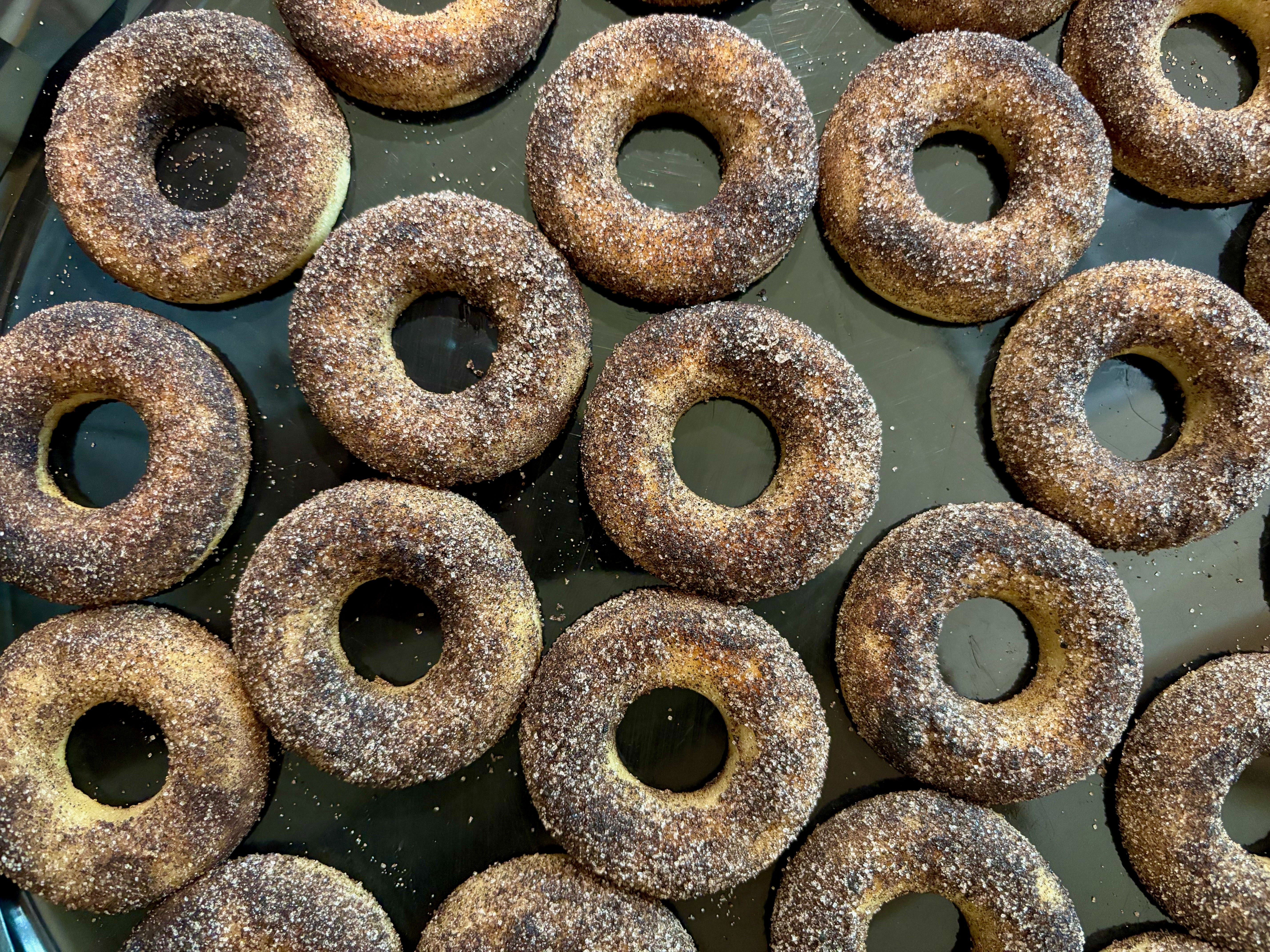
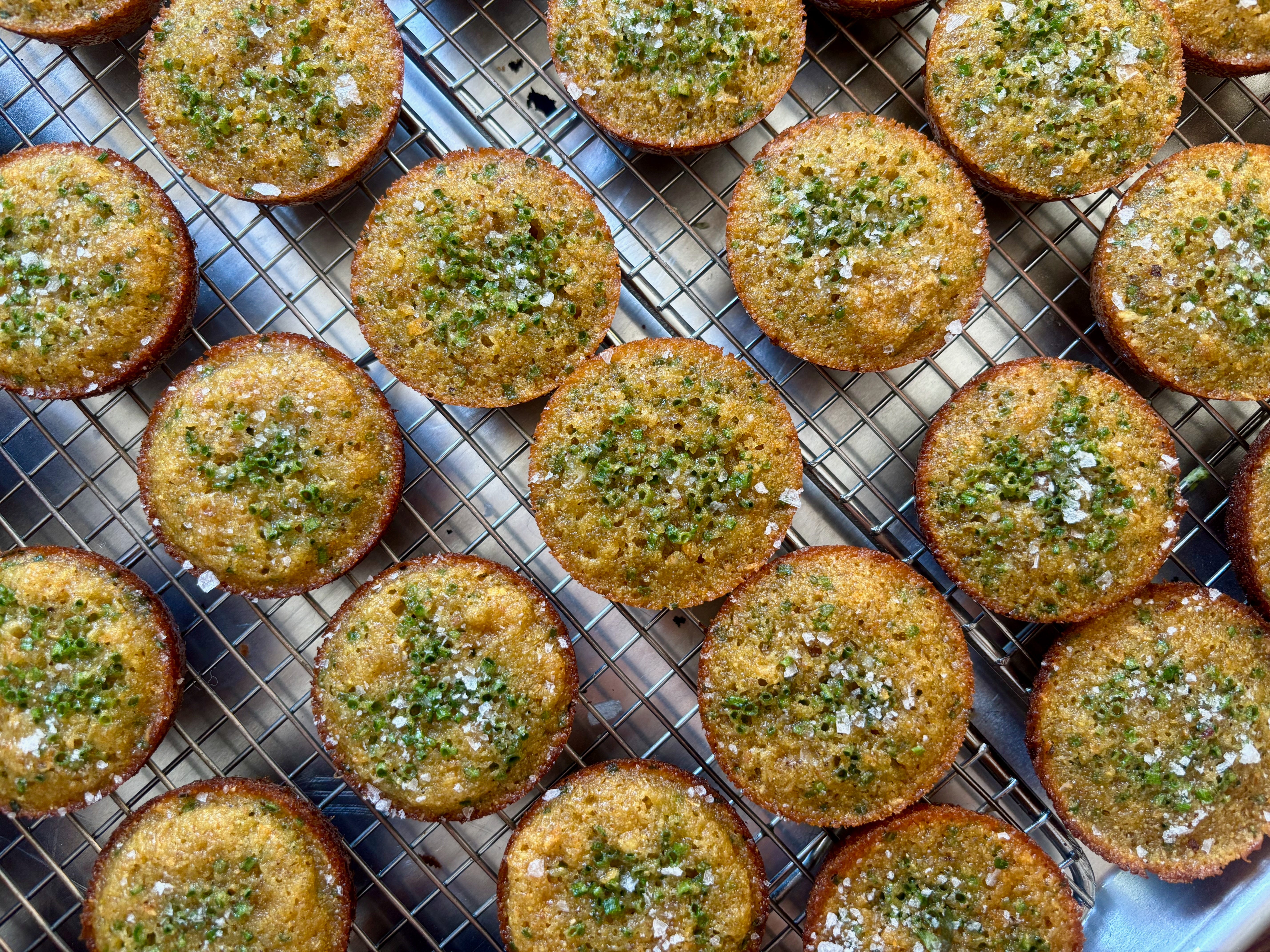
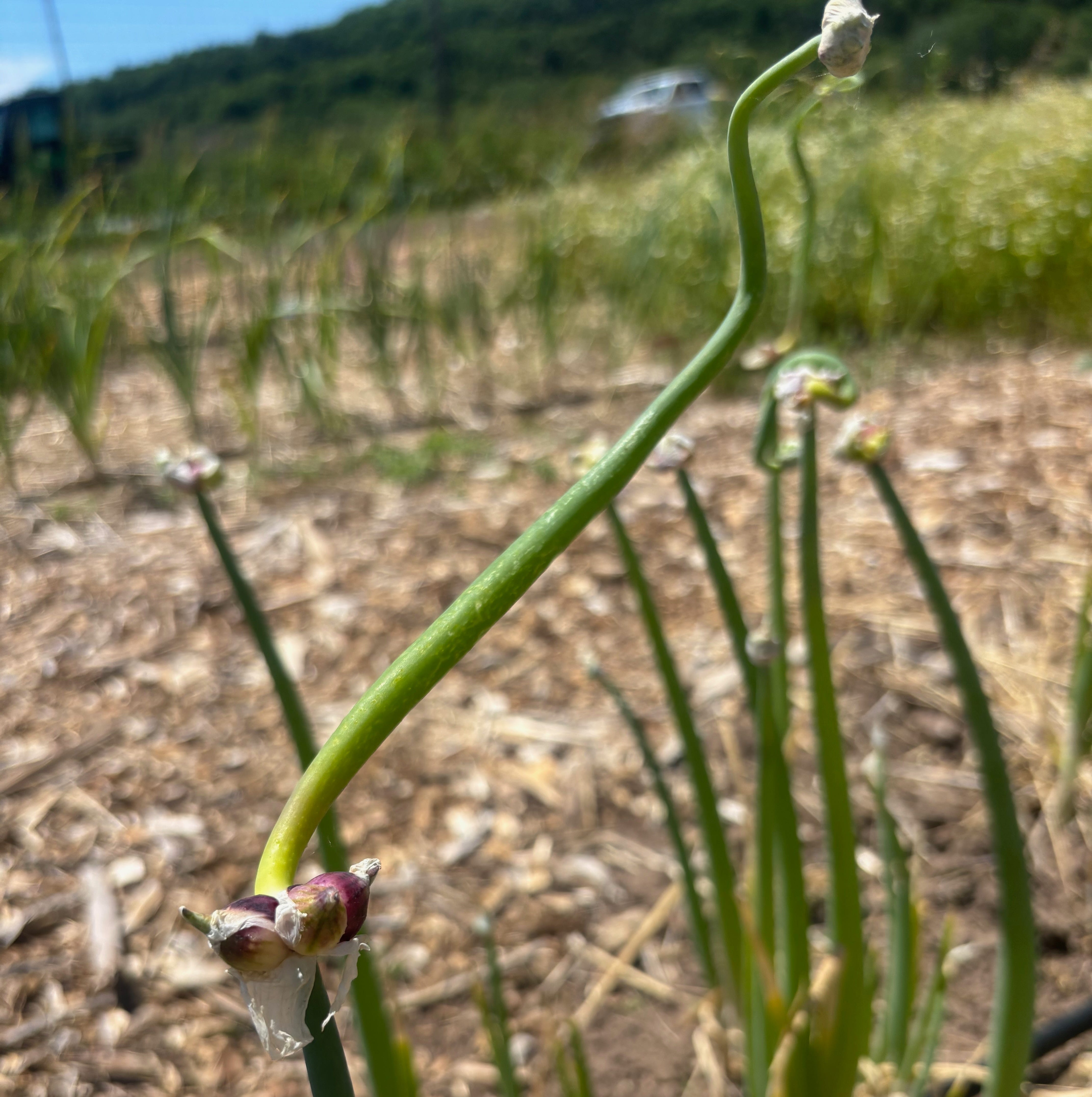
All of which is to say, when I got an email from a nonprofit asking me to cater snacks and desserts for a staff meeting focused on alliums, it was like a dream assignment. I did the event this last week, putting together a snack table of fermented garlic scape popcorn, browned butter chive corn cakes, caramelized onion jam-filled rye cookies, black garlic mochi donuts, and a cold chive blossom shrub to mix with sparkling water. The event took place at the org’s experimental allium garden, which was set up as a labyrinth of unusual alliums — mostly onions — that at this time of year were flowering in their most zany Dr Seuss-like configurations.
Though I’ll probably share some of the recipes for the dishes above (which are you most interested in?), I’m devoting my newsletter today to more prosaic allium uses. Specifically, some of the main ways I batch-cook onions, garlic, or scallions mellowed with heat, and then how I use them in quick dishes throughout the week. For all of these base “recipes” I strongly encourage you to use a lot of alliums — ten garlic bulbs, five scallion bunches, as many onions as you can bring yourself to chop — to maximize your use of the stove/oven/grill so that you can have an ingredient for other meals that require little or no cooking.
Roast Garlic
Slowly roasting a whole garlic head makes the cloves sweet and soft and mellow and really nice spread directly on bread (with a little salt and olive oil) or mashed into something else.
Preheat oven to 400°F. Cut each bulb near the stem, but not all the way through (it’s okay if it cuts all the way through) so that you can open the top and see the cloves nested together. Place the bulb in a piece of aluminum foil and drizzle olive oil and sprinkle salt all over the exposed cloves and the outside. Close the lid to put the bulb back together, and wrap it all up in the aluminum foil. Do this with at least four garlic heads to make it worth your time, but why not do ten? Roast for 40 minutes and see if the heads are soft. You should be able to squeeze the bulbs whole right out of their skins.
Make an aïoli — blend the roasted garlic with mayo and lemon juice, and then mix in some finely chopped herbs.
Top a pizza — scatter whole cloves on your pizza along with other toppings. It could be a classic red pizza, or a white pizza on which you drizzle honey and grind pepper after it comes out.
Nestle into focaccia — dot the whole surface of your focaccia with little roasted cloves, pressing them into the dough.
Make this dressing: 1 tablespoon smashed roasted garlic / 1 tablespoon light miso / 2 teaspoons lemon juice / 2 teaspoons apple cider vinegar / 1 tablespoon tahini / ¼ cup nice olive oil. Eat it on a summery salad, perhaps one with avocado, a can of rinsed black beans, quinoa, and chopped red onion? Or a green salad with croutons and cherry tomatoes and crispy tofu.
Make this gochujang dip:
Three Dips (v, gf)

Happy New Year! I’m going to have a lot of baking recipes coming your way (let me know if you have requests) so I thought I’d start this month out with some simple recipes for three dips I made for our NYE gathering. They complement each other well (one is spicy, one is fresh, one is crunchy and salty/umami), but each one is good on its own and has a n…
Char Scallions
Charring scallions directly over the flame on your stove or grill lands you with a smoky soft-in-some-parts-crispy-in-others ingredient that you can chop up and turn into a noodle sauce or salsa.
Turn on your gas stove or grill (if you have an electric or induction stove, use a dry cast iron pan — you might also use a pan if the scallions are really fat and need more time to cook through). Arrange your washed scallions with their white parts right over the flame. Keep turning them using tongs, moving them around so that the greens get a little burnt as well. Remove to a cutting board and chop finely.
Add them as a topping to soup, in sandwiches, on eggs, or in a grain salad
Make an avocado dip: Blend together a ripe avocado, greek yogurt, lemon juice, salt, and plenty of charred scallion. Use it for dipping chips or fresh vegetables, or eat it with roasted potatoes.
Make a salsa verde: Mix the scallions with chopped fresh herbs (like cilantro or parsley), lime juice, olive oil and salt. You could add jalapeño and/or roasted tomatillos as well. Serve it with tacos or over anything you’ve grilled.
Make a green romesco: 4 roasted poblano peppers / 4 cloves garlic / 1 bunch cilantro / 1 lime zest and juice / 4 charred scallions / 6 oz pistachios / white wine vinegar to taste. Blend together with enough olive oil to reach a dippable consistency.
Make this noodle sauce: 5 tablespoons soy sauce or tamari / 2 teaspoons sugar / 1 tablespoon rice vinegar / 1 tablespoon sesame oil / 3 chopped charred scallions. Mix it with thin wheat noodles or udon just removed from their cooking water.
Make this other charred scallion sauce (you can still use the same method to char the scallions in a dry pan and then remove them directly into a bowl with ½ cup of oil):
Squash and bean stew with shiitake bacon and charred scallion sauce (v)
·
This is a version of the South American stew Locro that my classmate Dylan and I came up with during our recent improvisation cooking exam at school. It’s nourishing and tasty and has all the protein, carbs, and colors you need. We served it alongside a red cabbage slaw, whose recipe I didn’t include because this newsletter is already too long, but esse…

Caramelize Onions (or shallots)
I don’t think I’m the first person to tell you how good caramelized onions are OR that they take a very long time to make properly, so I frequently batch cook them and keep them in the fridge to add to my meals. Shallots work the same way, but caramelize quicker than onions, so keep a close eye on them.
Dice or slice onions. Heat a pan with oil over medium heat and then add the onions. Let them sit undisturbed for a few minutes, until they begin to get just a little color on the bottom, then scrape them up and move them around. When they seem to be in danger of burning, add a hefty sprinkle of salt and mix in. Turn the heat down to medium-low. Keep an eye on them but let them cook for a long time (roughly 40 minutes, but that depends on how thinly the onions are spread), until they’re deep brown and take up much less space than when you started. You can add a splash of cooking wine or vinegar if there is fond (brown bits stuck to the pan) to scrape it up.
Add to a grilled cheese, with a tiny smear of sharp mustard
Layer with miso: Add caramelized onions and miso into a focaccia or in a swirl roll, or spread both directly on toast with butter
Make Lukas Volger’s French Onion Beans (or a simpler version — cook beans with a much higher ratio of onion:bean than normal, and add grated hard cheese on top).
Toss with pasta — Mix cooked pasta with caramelized onions, olive oil, grated cheese, black pepper. While it’s hot, you can crack a raw egg in directly for a carbonara-like sauce and/or add some chickpeas for extra protein.
Add them to fried rice (this is especially good with caramelized shallots): Reheat cooked rice in a hot pan with a little oil, add grated carrot, a big scoop of caramelized onion/shallots, a little soy sauce, brown rice vinegar, and some eggs to scramble into it. Finish with sesame oil.
Make one of these recipes:
Tofu Scramble (v, gf)

Most of this newsletter is free, but the recipe below is for paid subscribers. If you’re feeling motivated to cook and bake with new ideas or just particularly generous, I always appreciate a paid subscription.
Big beans in caramelized onion + lemon broth

I invited friends to dinner on New Years Day by asking if they’d like to come over for beans. A bowl of beans just feels like the most soothing and welcoming way to greet the new year and recover from whatever mess we might have gotten into at the end of the previous one. These are served in a simple broth that complements the flavor of the beans withou…
Love to you all and to all the beautiful alliums out there!